
When Cancer Requires Surgery,
Experience Is Everything.
A cancer diagnosis is one of the most difficult things a pet family can face. Surgery is one of the most common and effective tools available to treat it — in many cases, a well-planned and expertly executed surgery can be curative. In others, it plays a vital role in improving quality of life and reducing discomfort. Whatever the role surgery plays in your pet’s care, Dr. Prpich’s approach begins with the same commitment: you will understand every option available to you before any decision is made.
Your Consultation Comes First.
Before any surgical plan is developed, Dr. Prpich will meet with you to evaluate your pet and learn what matters most to your family. She will explain the biology of your pet’s specific tumor — how it typically behaves, what that means for your pet’s quality of life, and what it means for the road ahead. She will walk through every available treatment option, surgical and non-surgical alike, including chemotherapy and radiation therapy where relevant. She will explain the risks of surgery clearly and honestly, and discuss what recovery will look like in practical terms.
Her goal for every consultation is straightforward: you leave with a complete understanding of your options, so that whatever decision you make is fully informed and genuinely yours. Surgery is not always the right answer, and Dr. Prpich will tell you that honestly. But when it is — especially when the case is complex — she will find a way.
“Every day I am humbled to be entrusted to take care of someone’s family member”

Seeing the Full Picture
Before the First Incision.
Cancer surgery is often highly complex, involving multiple anatomical structures and body systems. Pre-operative advanced imaging is a critical part of surgical planning — it allows the surgeon to visualize a mass in three dimensions, understand its relationship to surrounding anatomy, and anticipate any additional measures needed to keep your pet safe and optimize outcomes. Summit has both CT and MRI available on site.
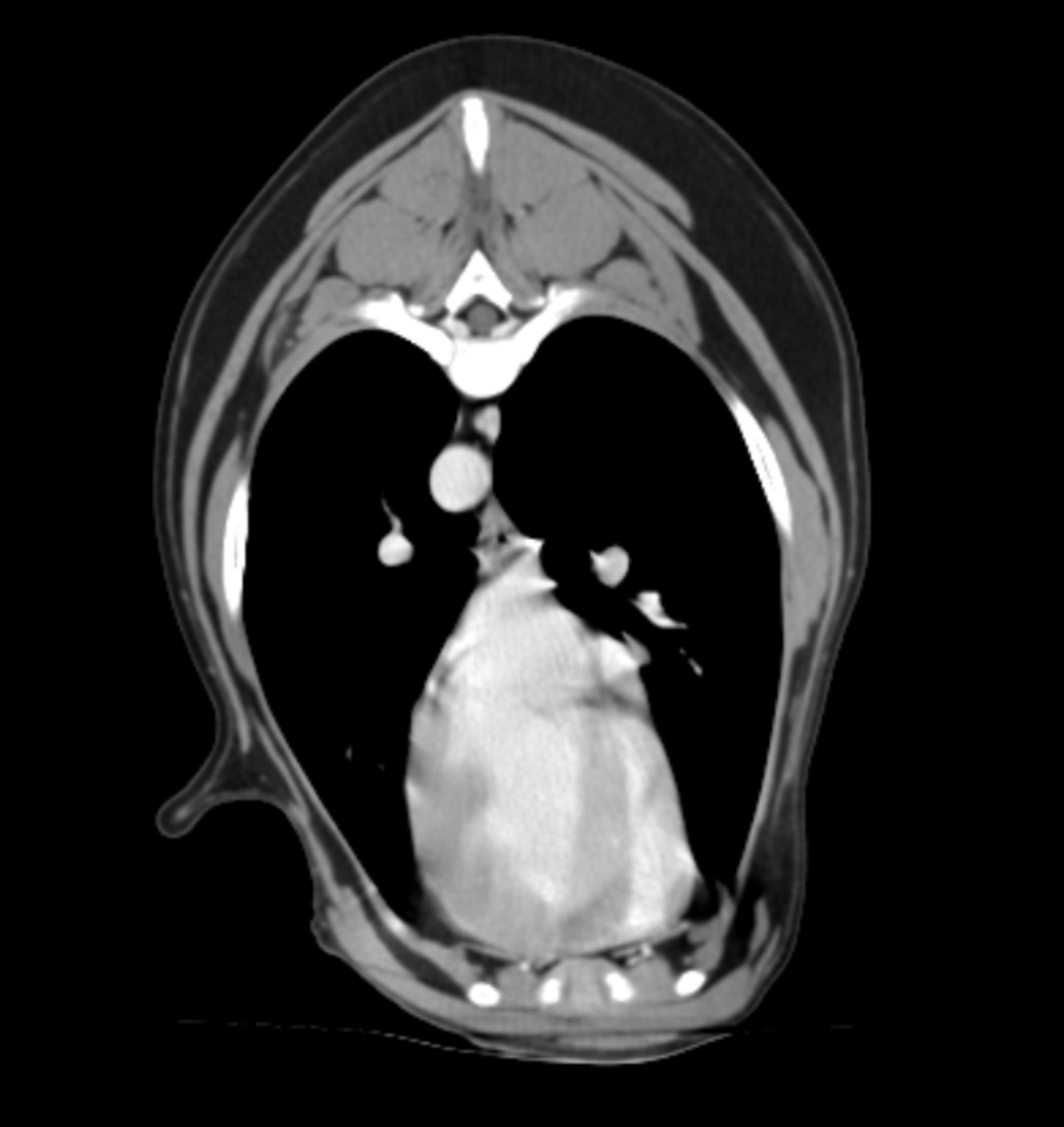
CT Imaging
The primary imaging modality for pre-operative surgical oncology planning. Provides detailed 3D visualization of tumors and their relationship to surrounding anatomy.
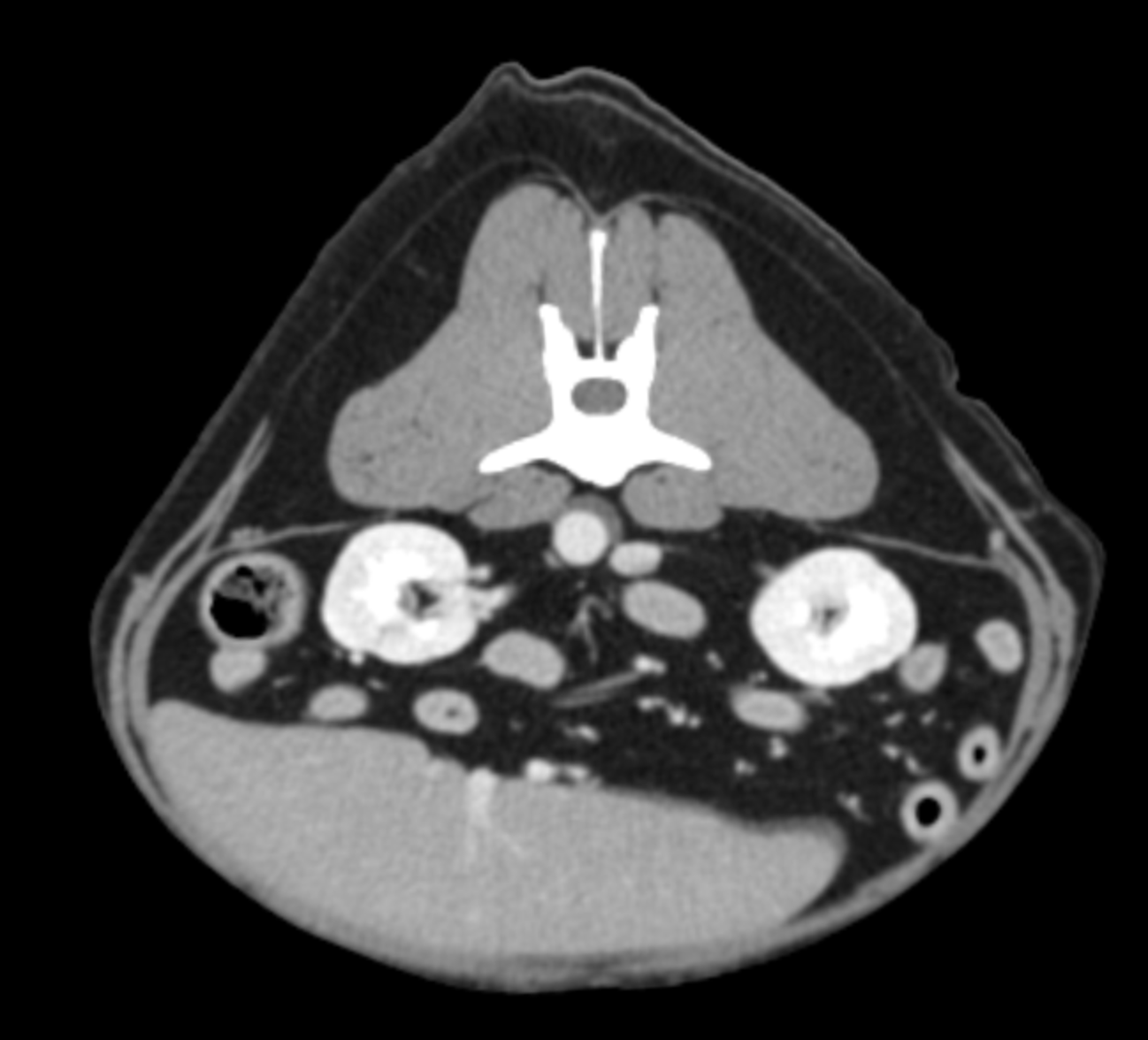
Cases We See.
Dr. Prpich accepts referrals for a wide range of oncologic surgical cases, including but not limited to:
Maxillofacial Surgery
- Mandibular (lower jaw) tumors
- Maxillary (upper jaw) tumors
- Orbital (around the eye) tumors
- Oral cavity tumors
- Salivary gland tumors
Ear Surgery
- Total ear canal ablation and bulla osteotomy (TECA-BO) for tumors of the ear canal
- Pinnectomy (pinna removal)
Thoracic Surgery
- Lung lobectomy to treat lung cancer
- Thymoma excision
- Chest wall masses with reconstruction
Endocrine Surgery
- Thyroid cancer removal
- Parathyroid mass excision
- Adrenal gland tumors
- Pancreatic mass removal
Liver & Hepatic Surgery
- Liver tumor removal
- Gallbladder masses
Gastrointestinal & Abdominal Surgery
- Intestinal and gastrointestinal tumors
- Splenic masses
- Lymph node dissection
Urogenital Surgery
- Kidney mass removal
- Testicular tumors
Perineal Surgery
- Anal sacculectomy for anal sac adenocarcinomas (lowest published recurrence rates)
Skin Tumors
- Soft tissue sarcomas
- Mast cell tumors
- Reconstructive procedures
Bone Cancer
- Forelimb amputation
- Hindlimb amputation
- Hemipelvectomy for complex tumors of the pelvis
- Mandible and maxillary bone cancer treatment

Surgery Is One Tool.
We Know How to Use All of Them.
Cancer care rarely begins and ends with surgery. At Summit, we believe every patient deserves access to the full spectrum of treatment options — and we have built the partnerships to make that possible. We work with local and mobile medical oncologists to bring chemotherapy services to our patients on site. This includes both systemic chemotherapy — which circulates through the body to target cancer cells — and local chemotherapy, which delivers treatment directly to a specific site, minimizing systemic effects. This means families can access integrated cancer care without having to navigate multiple facilities.
When radiation therapy is part of the right treatment plan, Dr. Prpich’s established relationships with veterinary radiation oncologists across the region mean your patient can be connected to the right facility quickly and with a warm handoff. We coordinate — actively, across specialties, and with the families and referring vets we partner with.
Summit’s long-term vision includes bringing dedicated medical oncology in-house. We are actively building toward having one or more medical oncologists on staff within the coming years — because we believe that a true multidisciplinary oncology team, all under one roof, is what exceptional cancer care looks like.
What Makes a Surgical Oncologist
Different From a Boarded Surgeon?
This is a question worth asking — and one that matters more than many pet families or referring veterinarians realize. A board-certified veterinary surgeon has completed a rigorous surgical residency program covering anatomy, pathophysiology, and a wide range of surgical techniques. That credential represents an exceptional level of training. But it is not the same as surgical oncology fellowship training.
A surgical residency program requires surgeons to complete a minimum number of mass removals, but it does not require dedicated time with a medical oncologist or radiation oncologist. Understanding how cancer behaves, how it responds to different treatment modalities, and how surgical decisions interact with chemotherapy or radiation planning is not a core component of residency training — it is the core component of fellowship training.
The ACVS Surgical Oncology Fellowship is a focused, one-year program that takes an already board-certified surgeon and immerses them in a dedicated oncology training environment. Fellows are required to spend significant time working alongside medical and radiation oncologists — developing the multidisciplinary perspective that cancer cases demand.
Train ACVS Fellows
Oncology Globally
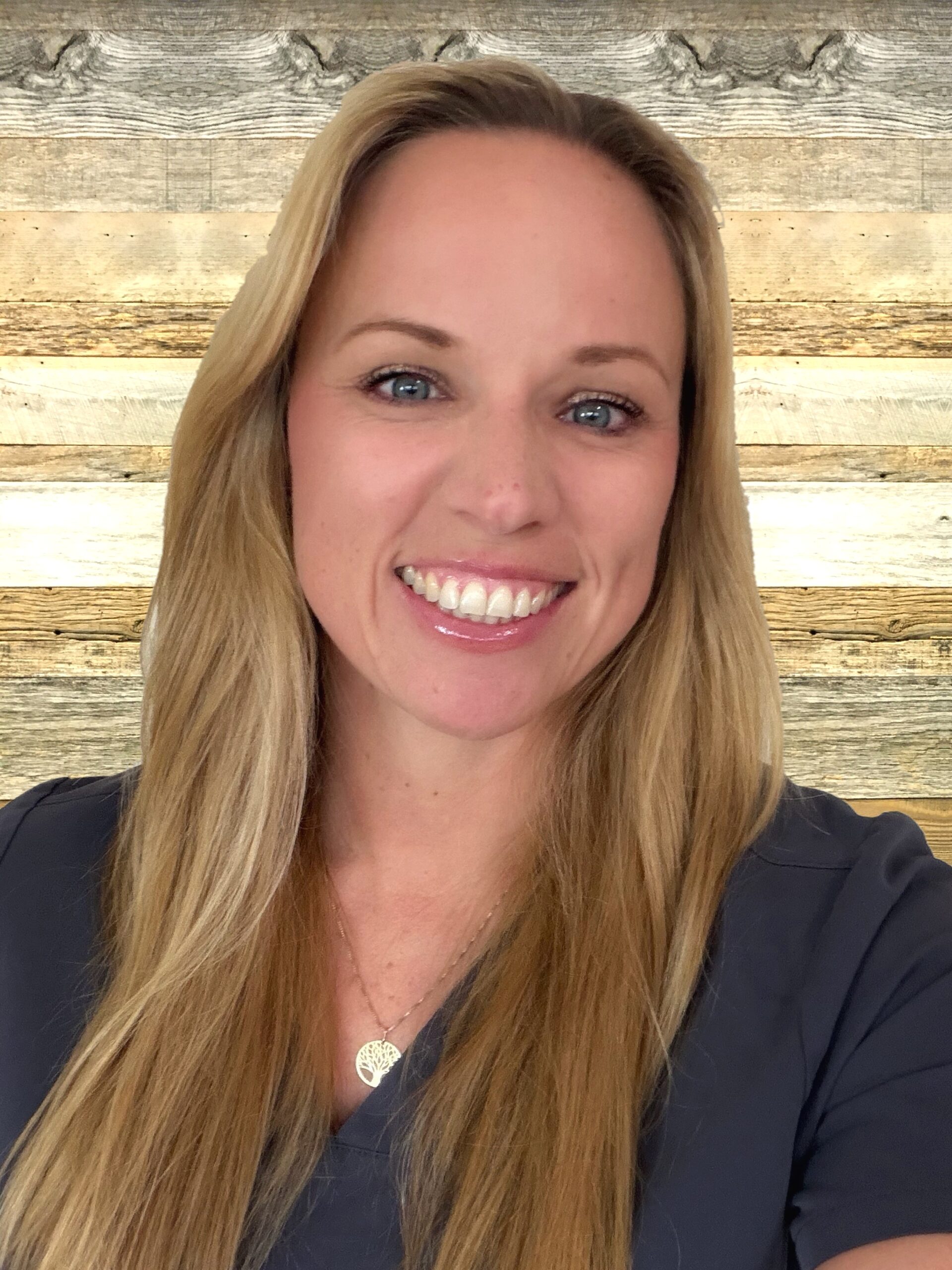
Dr. Cassandra Prpich
Dr. Prpich completed her fellowship at Colorado State University’s Flint Animal Cancer Center in June 2015. She has published the lowest recurrence rates ever reported for antebrachial soft tissue sarcomas and anal sac adenocarcinomas. When your pet’s cancer case comes to Summit, it is in the hands of one of the most specialized surgical oncologists practicing anywhere in the world.
Read Full Bio →Exceptional Oncology Care.
Independent. Transparent.
At Summit, surgical oncology cases are not one item on a long menu of services — they are a core part of why this hospital was built. Dr. Prpich is at Summit in part because she believes exceptional cancer care requires time: time to explain, time to plan, time to have honest conversations about all the options. With CT and MRI available on site, a criticalist dedicated exclusively to inpatient oversight, and a team built around a culture of genuine care, Summit is equipped to manage your pet’s cancer case from diagnosis through recovery.
Ready to Refer a Surgical Oncology Case?
We’re here to help guide your pet through every step of their cancer care journey.